Complete guide to living room lighting. The living room is the central hub of your home. It is where you relax with family, host guests, enjoy entertainment, and unwind after a long day. Because this space serves multiple functions, lighting plays a crucial role in defining comfort, style, and usability. Yet many homeowners rely on just one ceiling fixture, not realizing that living room lighting works best when layered, coordinated, and thoughtfully planned.
This complete guide walks you through the essentials of living room lighting, including lighting layers, fixture types, color temperature, design considerations, and practical buying tips. Whether you are decorating a new home or upgrading your existing layout, this article helps you create a beautifully lit living room that feels warm, functional, and stylish.
Living rooms require flexible lighting because they adapt to various activities. You may watch TV in the evening, read by the window during the day, host friends on weekends, or enjoy quiet relaxation. Proper lighting supports all these situations while improving the overall atmosphere.
Well-designed living room lighting can:
Because lighting shapes your experience of the living room, planning a layered design ensures that every corner is usable and aesthetically pleasing.
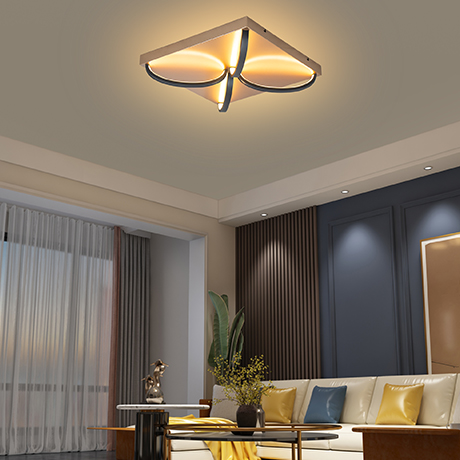
Ambient lighting provides general illumination for the entire room. It fills the space with soft, diffused brightness, ensuring you can move around safely and comfortably. Typically, ambient light comes from ceiling fixtures such as:
When choosing ambient lighting, consider factors like room height, layout, and whether you prefer warm or neutral brightness. For a balanced setup, ambient lighting should spread evenly without causing shadows or harsh glare.
You may also link to related reading:
Related article: Cluster 5 — Wall Lamps and Hallway Lighting
Related article: Cluster 7 — Modern vs Minimalist Style Lighting
Task lighting improves visibility for activities such as reading, working, or playing games. It usually comes from:
Task lighting works best when targeted and bright enough to support close-up work without overwhelming the room. Positioning is key: place lamps at a height that reduces shadows and prevents direct light from hitting your eyes.
You can also reference a relevant product category:
Table Lamp category page
Accent lighting adds personality and depth to your living room. It highlights décor elements such as artwork, shelves, sculptures, or architectural details. Common accent lights include:
Accent lights create visual interest by drawing attention to specific areas. They also build warmth and ambience, completely transforming the room’s evening mood.
Internal link suggestions:
Related article: Cluster 10 — Luxury & Contemporary Glam Lighting
Related article: Cluster 9 — Industrial Style Lighting Ideas


Selecting living room fixtures involves balancing aesthetic preferences with function. Below are the most popular options and when to use them.
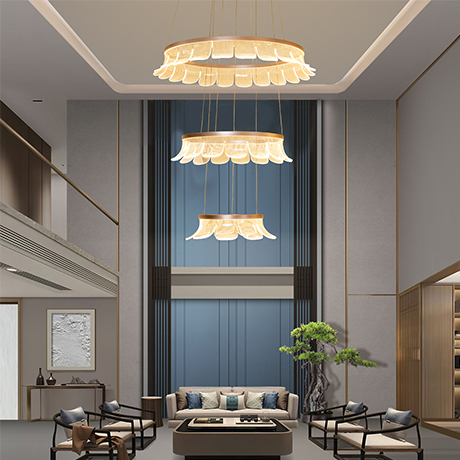
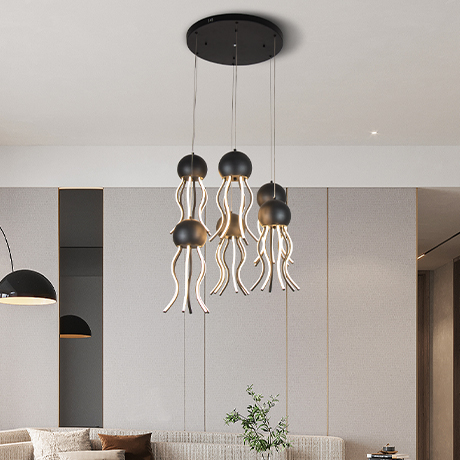
Pendant lights serve as focal points and work well in living rooms with higher ceilings. They create visual impact, and styles range from minimalist to luxurious crystal designs.
They pair well with modern, Scandinavian, industrial, and contemporary interiors. You may link to your Pendant Light collection here.
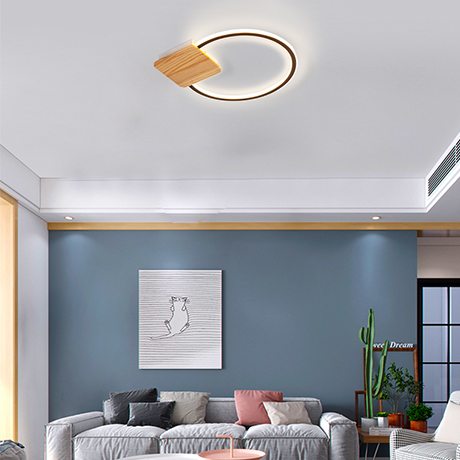
Ceiling lights provide reliable ambient illumination. If your living room has a lower ceiling, semi-flush mounts or minimal LED ceiling lights help maintain an open, spacious feel.
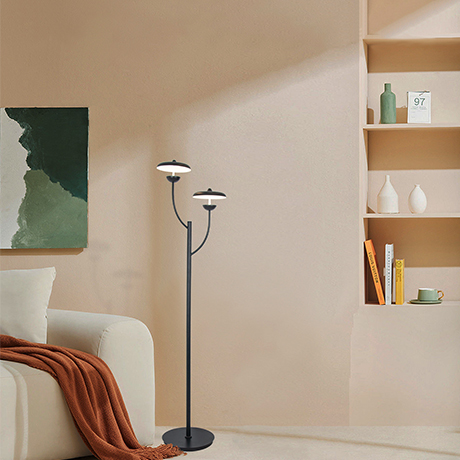
Floor lamps add sophistication and flexibility. They can brighten dark corners, act as task lights, or create cozy reading zones. Because they are movable, you can adjust your lighting layout anytime.
Internal link: Floor Lamp category page
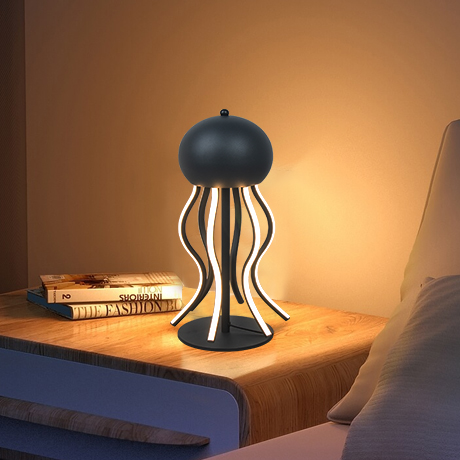
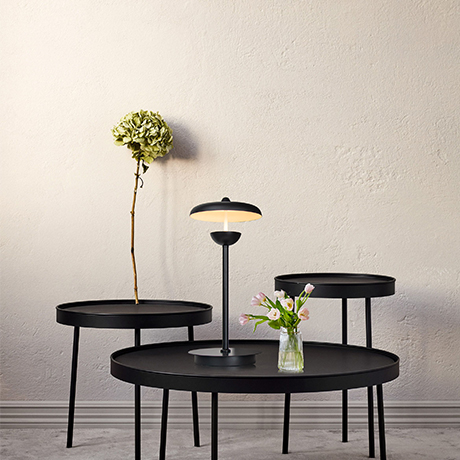
Table lamps are essential for task lighting. They add warmth and balance to side tables, consoles, and media cabinets. Mix heights and shapes to create visual layers.
Internal link: Cluster 2 — Best Lighting for Bedrooms (because it discusses table lamps too)
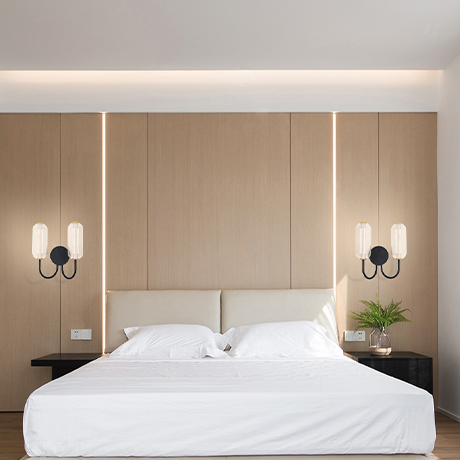
Wall lamps free up floor space while enhancing design. They are ideal for accenting artwork, bookshelves, or feature walls.
Internal link: Wall Lamp category page
The right color temperature affects your room's comfort and mood:
Most homeowners prefer warm lighting for evenings because it promotes relaxation and prevents blue-light fatigue.
Internal link: Cluster 13 — Color Temperature and Mood
Dimmers allow you to adjust brightness according to the time of day or activity. For example:
Smart dimmers also let you save preset lighting scenes.
Internal link: Cluster 16 — Dimmers and Adjustable Lighting


Your living room likely receives daylight from windows or sliding doors. For a comfortable ambience:
A balanced combination prevents eye strain and creates a harmonious look.
Internal link suggestions:
If you avoid these mistakes, your living room will feel much more intentional and polished.
Internal link: Cluster 12 — How to Choose Light Size & Scale
Focus on clean lines, geometric shapes, and neutral tones. Recessed lighting and slim floor lamps work well.
Use soft, warm lighting with natural textures like wood and linen. Simple pendant lights are ideal.
Opt for metal finishes, exposed bulbs, and bold pendant fixtures.
Choose chandeliers, crystal pendants, or metallic accents.
Internal link: Cluster 7 — Modern vs Minimalist Style Lighting
Before buying, confirm the following:
Internal link: Cluster 18 — Buying Checklist Before You Order
A well-lit living room is not only beautiful but also functional and comfortable. By combining lighting layers, choosing the right fixtures, understanding color temperature, and designing with intention, you can transform your living room into a warm, stylish, and flexible environment.
When you are ready to begin selecting fixtures, explore products such as pendant lights, ceiling lights, wall lamps, table lamps, and floor lamps to build the perfect setup for your home.

Dear Customer:
My name is Yana, Sales Director at Seable. With 8+ years of dedicated expertise in the decorative lighting industry, I bring the technical acumen and market insights to elevate your projects. Expert in pendant light system configuration, lighting design and ceiling light technology support. Feel free to contact me. I’m happy to provide you with the best service and products
Whatsapp: +86 13715603874 | Email: sale9@neworb.cn