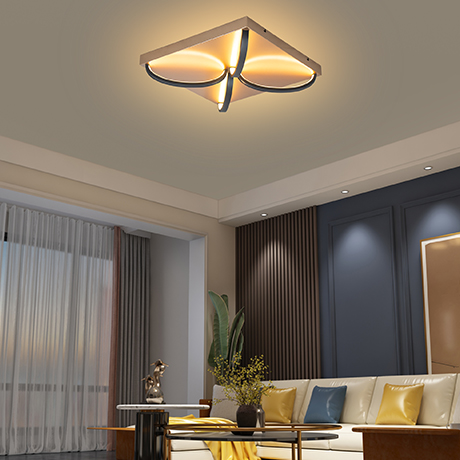
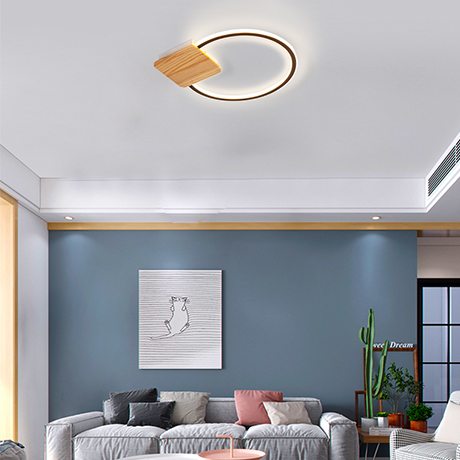
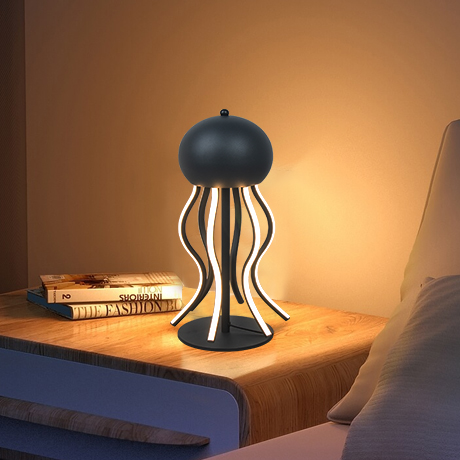
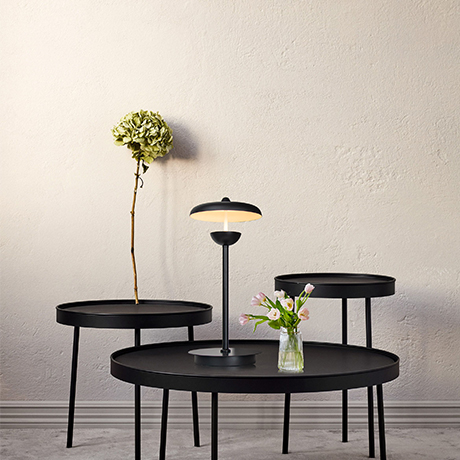
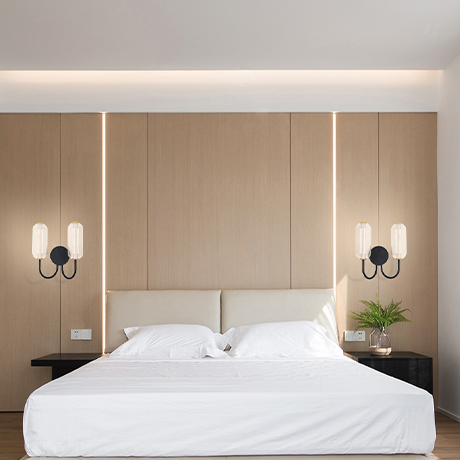
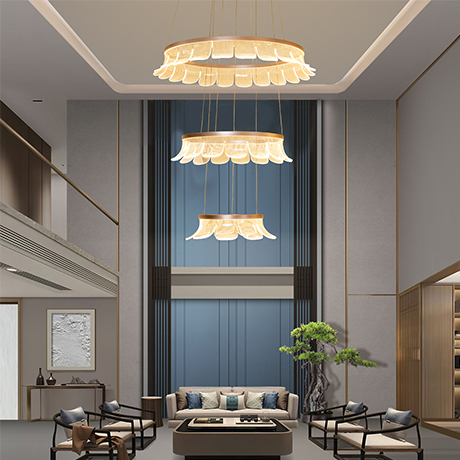
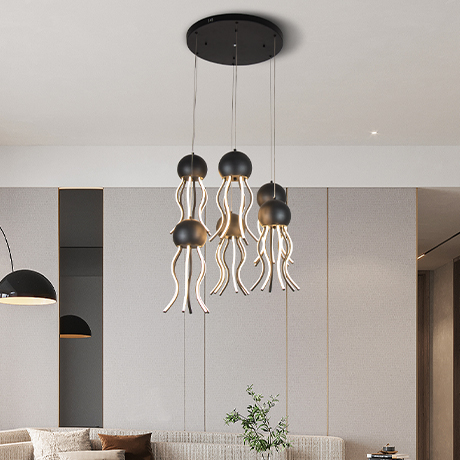
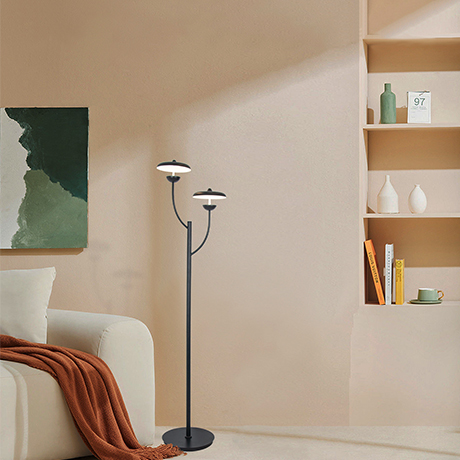
Across Europe, energy efficiency and sustainability regulations are increasingly shaping how lighting products are designed, specified, and purchased. While these policies are often discussed in the context of large-scale infrastructure or outdoor lighting, they also have a direct and growing impact on decorative indoor lighting, including pendant lights, ceiling lights, wall lamps, table lamps, and floor lamps.
For importers, wholesalers, interior designers, and commercial project buyers, staying informed about EU lighting regulations is essential. Non-compliant decorative lighting products risk market restrictions, relabeling costs, or rejection during customs and retail approval processes. As 2026 approaches, regulatory compliance is becoming just as important as aesthetics in indoor lighting procurement.
The European Union continues to strengthen its Ecodesign and Energy Labelling regulations as part of its long-term climate and energy strategy. These rules apply not only to functional lighting, but also to decorative indoor luminaires, regardless of whether they are used in residential, hospitality, or commercial environments.
According to LightingEurope, updated regulations place stronger emphasis on energy efficiency, transparent product data, and lifecycle performance for light sources used in indoor fixtures. This includes LED modules, integrated light sources, and control components commonly found in modern decorative lighting.
At the same time, the EU Energy Label framework has been simplified to the A–G scale, making efficiency differences more visible to distributors and end users. Decorative lamps with poor efficiency or outdated LED technology may struggle to compete in this more transparent market.
Under the updated framework, indoor lighting products are expected to meet stricter minimum energy performance levels. Even though decorative luminaires prioritize design, energy efficiency can no longer be secondary.
Pendant lights, ceiling lights, and wall lamps used in hotels, offices, and retail spaces are increasingly specified with minimum lumen-per-watt thresholds in mind. This pushes manufacturers toward better LED chips, optimized optics, and efficient drivers, without compromising visual comfort.
The revised EU Energy Label requires clearer classification and public registration of light sources in the EPREL database. According to guidance from LightingEurope, this system improves trust and traceability across the supply chain.
For buyers of decorative lighting, this means:
In addition to energy use, EU policies also emphasize material safety and environmental responsibility. Decorative indoor lighting must comply with RoHS requirements, ensuring restricted substances are minimized throughout the product lifecycle.
This trend aligns with broader market demand, as European consumers and commercial clients increasingly expect sustainable design alongside visual appeal.
In residential developments and hospitality projects, decorative lighting is no longer chosen solely for appearance. Developers and designers must now balance aesthetics with compliance, ensuring fixtures meet both visual and regulatory expectations.
Pendant lights and wall lamps in hotels, for example, are often used for extended hours. Energy efficiency and driver reliability directly influence operating costs and maintenance cycles.
For offices, retail stores, and public interiors, compliance with EU lighting standards is often mandatory. Decorative ceiling lights and floor lamps must align with project specifications that reference energy labels, efficiency classes, and durability requirements.
Failure to meet these criteria can lead to redesigns, supplier replacement, or project delays.
Professional buyers should confirm that suppliers can provide:
According to LightingEurope, proper documentation is becoming a standard requirement rather than a value-added option.
While design remains critical, buyers should also evaluate:
These factors directly affect product lifespan, user comfort, and brand reputation in the European market.
With further regulatory tightening expected in the coming years, buyers are increasingly selecting decorative lighting collections that combine timeless design with efficient, upgrade-ready LED technology. This reduces the risk of products becoming obsolete due to regulatory changes.
Modern decorative indoor lighting can successfully combine visual elegance with regulatory compliance. Well-designed pendant lights, ceiling lights, wall lamps, table lamps, and floor lamps now integrate high-efficiency LED light sources, stable drivers, and compliant materials.
For buyers sourcing decorative lighting for European markets, choosing suppliers who understand both design trends and regulatory requirements is essential. Explore compliant decorative indoor lighting solutions here:
These solutions are suitable for:
The EU’s tightening lighting regulations signal a clear shift: decorative indoor lighting must deliver efficiency, transparency, and sustainability alongside design. For importers, designers, and project buyers, adapting early ensures smoother market access, lower compliance risk, and stronger long-term value.
If you are sourcing EU-compliant decorative indoor lighting, our team can help you select pendant lights, ceiling lights, wall lamps, table lamps, and floor lamps that meet both aesthetic and regulatory expectations.
Contact us today to discuss your project requirements.

Dear Customer:
My name is Yana, Sales Director at Seable. With 8+ years of dedicated expertise in the decorative lighting industry, I bring the technical acumen and market insights to elevate your projects. Expert in pendant light system configuration, lighting design and ceiling light technology support. Feel free to contact me. I’m happy to provide you with the best service and products
Whatsapp: +86 13715603874 | Email: sale9@neworb.cn
The Ultimate Guide to Modern Interior Lighting for Homes
Complete Guide to Living Room Lighting: Styles, Layers, and Practical Tips
Best Lighting for Bedrooms: How to Create a Cozy, Functional, and Stylish Sleep Space
The Complete Guide to Dining Room and Kitchen Pendant Lighting
Kitchen Lighting Ideas: How to Design a Functional and Beautiful Kitchen
Wall Lamps and Hallway Lighting — A Complete Style & Buying Guide
Optimizing Lighting for Home Office — A Practical Guide for Productivity
Pendant Light vs Ceiling Light — Which One Should You Choose for Your Home?
How to Choose the Right Ceiling Light Size for Every Room
How to Choose the Best Wall Lamps for Bedrooms, Living Rooms, and Hallways