Lighting plays a transformative role in modern kitchens. More than simply illuminating the cooking area, today’s kitchen lighting must support food preparation, family gatherings, casual dining, and even working-from-home moments. Because the kitchen is now one of the most multifunctional rooms in a house, a thoughtful lighting plan can significantly improve both usability and interior aesthetics.
In this complete guide, you’ll learn how to combine pendant lights, ceiling lights, under-cabinet fixtures, and other lighting layers to create a kitchen that is beautiful, safe, and practical. Moreover, this guide includes natural internal links to related articles within your SeableLight content cluster, helping users discover more resources.
The kitchen has evolved into a central living space where families cook, talk, work, and gather. Therefore, lighting must:
Because natural light changes throughout the day, your kitchen lighting should adapt accordingly. The right combination of fixtures ensures balance during early mornings, bright midday hours, and cozy evenings.
Internal link:
Cluster 12 — How to Choose the Right Light Size
Cluster 6 — Optimizing Lighting for Home Office
Designing effective kitchen lighting always begins with the “three-layer” approach: ambient lighting, task lighting, and accent lighting. When these layers work together, your kitchen becomes both functional and visually appealing.
Ambient lighting provides overall brightness and ensures the room feels open and safe. Common options include:
Because ambient lighting affects the entire room, choosing the right color temperature and brightness is essential. A range of 3000K–4000K is ideal for modern kitchens.
Internal link:
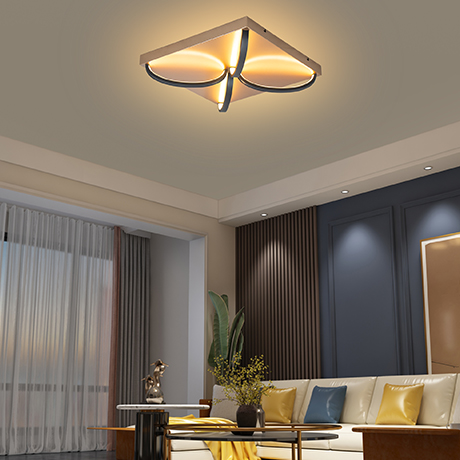
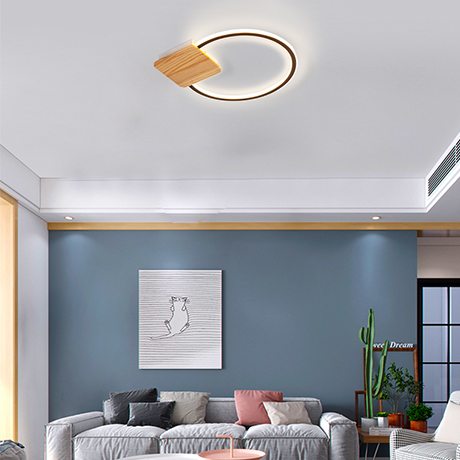
Ceiling Light collection
Task lighting is crucial because most kitchen activities—chopping, washing, cooking—require precise visibility. Popular forms include:
Task lights prevent shadows and ensure safe food preparation.
Internal link:
Pendant Light collection
Accent lighting elevates your kitchen design by highlighting architectural features, open shelves, or decorative elements. Examples include:
Internal link:
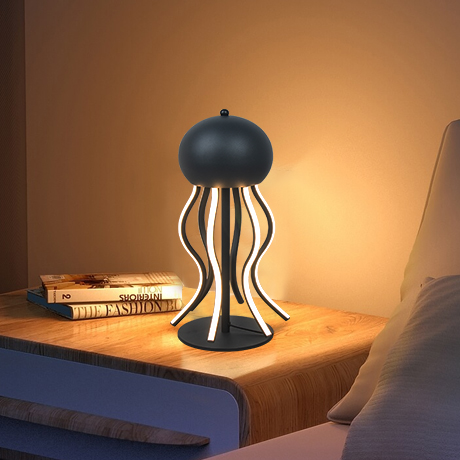
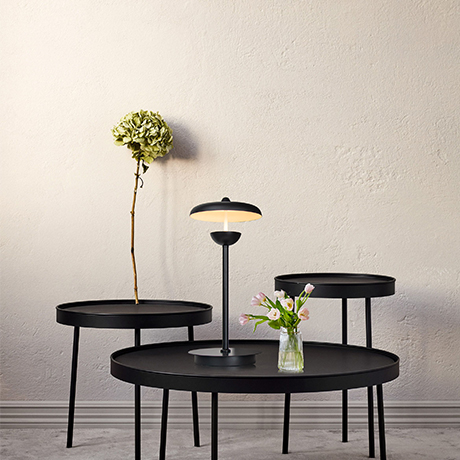
Table Lamp collection (for styling open kitchens with decorative table lamps)


Kitchen islands have become the heart of modern homes. They function as prep areas, breakfast bars, and even workspace zones. Because of this versatility, pendant lighting is one of the most important fixture types for the kitchen.
A set of two or three pendants ensures balanced lighting across the island. Keep equal spacing—typically one pendant diameter apart—for visual harmony.
Glass pendants diffuse light beautifully while preventing harsh shadows on the countertop.
A single linear pendant offers consistent brightness and a minimalist aesthetic, ideal for contemporary kitchens.
Hang pendants 75–90 cm above the countertop to ensure clear sightlines and comfortable lighting.
Internal link:
Cluster 3 — Pendant Lights for Dining & Kitchen
Cluster 12 — Light Size and Scale
Color temperature influences mood, comfort, and visibility. Because the kitchen is both a workspace and a social area, finding the right color temperature is essential.
A great strategy is pairing warmer pendants with cooler ceiling lights for a dynamic lighting environment.
Internal link:
Cluster 13 — Color Temperature and Mood
Under-cabinet lighting is one of the most effective upgrades for any kitchen. It eliminates shadows caused by upper cabinets and makes food preparation much safer.
Under-cabinet lighting works exceptionally well when combined with pendant and ceiling fixtures.

A successful kitchen lighting plan considers each functional area individually.
Use bright ceiling lights or directional spotlights to illuminate pans, pots, and stovetops. Avoid warm tones here; neutral white (3500K–4000K) improves visibility.
The sink area benefits from overhead lighting, preferably recessed downlights.
Under-cabinet lighting is essential for cutting, chopping, and mixing.
If your kitchen includes a breakfast counter, choose a soft, warm pendant for ambience.
Internal link suggestion:
Cluster 15 — Layering Lighting for Balanced Design
Smooth lines, soft finishes, and neutral colors work perfectly in minimalist homes. Pendant lights with simple silhouettes enhance calm and spaciousness.
Scandinavian lighting uses natural materials such as wood, linen, or soft matte textures. It pairs beautifully with white cabinetry and clean surfaces.
Internal link:
Cluster 8 — Scandinavian and Natural Style Lighting
Industrial styles incorporate metal, black finishes, and vintage bulbs. These pendants create strong visual character, especially with brick or concrete décor.
Internal link:
Cluster 9 — Industrial Style Lighting
Crystal pendants, polished metals, and sculptural designs elevate premium kitchen interiors and add a glamorous touch.
Dimmers help transform the kitchen from a bright workspace to a warm dining area in seconds. They also:
Install dimmers for both ceiling and pendant lights for complete control.
Internal link:
Cluster 16 — Dimmers and Adjustable Lighting
Many homeowners face lighting problems that are easily preventable.
Internal link suggestion:
Cluster 18 — Kitchen Lighting Buying Checklist
To achieve a kitchen space that supports both functionality and beauty, follow these guidelines:
With thoughtful planning, your kitchen becomes a bright, welcoming, and highly efficient environment.

Dear Customer:
My name is Yana, Sales Director at Seable. With 8+ years of dedicated expertise in the decorative lighting industry, I bring the technical acumen and market insights to elevate your projects. Expert in pendant light system configuration, lighting design and ceiling light technology support. Feel free to contact me. I’m happy to provide you with the best service and products
Whatsapp: +86 13715603874 | Email: sale9@neworb.cn