Modern vs Minimalist Style Lighting — What’s the Difference and How to Choose?
by SEABLE | Dec 09, 2025
Lighting is more than an accessory in interior design; it defines the character of a room. Although many homeowners invest time choosing furniture and décor, lighting styles often remain misunderstood. Two of the most influential trends today—modern lighting and minimalist lighting—are frequently mixed up, even though they follow very different design philosophies. Understanding the difference not only helps you create a more intentional space but also ensures that your home feels both beautiful and practical.
In this guide, we explore how modern and minimalist lighting differ in form, shape, brightness, materials, and emotional impact. Additionally, you will see how each style connects with SeableLight’s collections and related topics such as Scandinavian and Natural Style Lighting, Color Temperature and Mood, and Layering Lights for Balanced Design.
What Defines Modern Lighting?
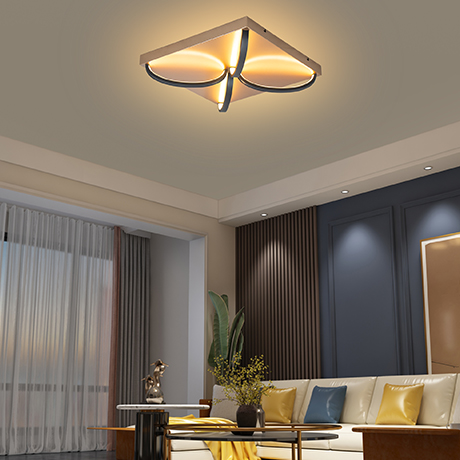
Modern lighting is bold, expressive, and visually commanding. Rather than fading into the background, modern fixtures become statement pieces that anchor a space. While the style embraces clean lines, it also showcases strong geometry, mixed materials, and artistic forms that create a striking impression.
Key Characteristics of Modern Lighting
Strong Geometry Triangles, spheres, straight lines, and asymmetrical structures appear frequently. Instead of minimizing details, modern lighting emphasizes them.
Mixed Materials Combinations such as glass and metal, matte and glossy finishes, or brass and frosted textures introduce visual contrast and depth.
Visible Creativity Many modern fixtures resemble small art installations, bringing personality and flair into a room.
Balanced Light Distribution Illumination tends to be stronger and more directional, ideal for creating dramatic emphasis.
Trend-Forward Aesthetics Designs highlight contemporary living by blending luxury with functionality.
For a related collection, explore Luxury & Contemporary Glam Lighting.
What Defines Minimalist Lighting?
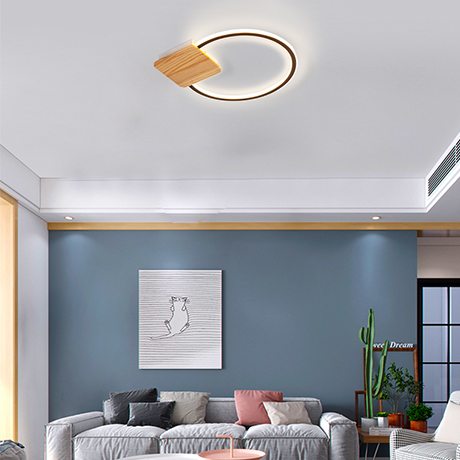
Minimalist lighting takes the opposite approach. Instead of drawing attention, it disappears quietly into the room. The design removes anything unnecessary, leaving only essential lines, smooth silhouettes, and gentle illumination. As a result, minimalist lights contribute to a calm, uncluttered visual environment.
Key Characteristics of Minimalist Lighting
Clean Lines Thin rods, soft curves, and simple geometric shapes create an understated look.
Soft Presence Fixtures blend into ceilings or walls, supporting the design rather than dominating it.
Gentle, Even Lighting Illumination is diffused and calm, perfect for peaceful environments.
Functional Purity Every element serves a clear purpose, with no decorative excess.
For more inspiration on calming aesthetics, see Scandinavian and Natural Style Lighting, which shares many minimalist principles.
Modern vs Minimalist: Key Differences Explained
Although the two styles sometimes overlap in their clean-line aesthetics, their execution produces very different moods. Below is a clear comparison across the most important design elements.
1. Shape and Geometry
Modern: Bold angles, sculptural forms, and large statement shapes
Minimalist: Simple lines, slim silhouettes, and unobtrusive forms
Modern lighting stands out, whereas minimalist lighting blends in.
2. Visual Weight
Modern: Noticeable, heavy, or pronounced presence
Minimalist: Light, quiet, and visually subtle
A modern pendant becomes a focal point; a minimalist pendant supports the surroundings.
3. Material Choices
Modern uses:
Black iron
Brass
Brushed gold
Frosted glass
Painted metals
Minimalist uses:
Matte finishes
Soft white
Light gray
Light wood (common in Nordic style)
To explore materials further, read Materials & Build Quality Explained.
4. Emotional Impact
Modern: Bold, stylish, and expressive
Minimalist: Calm, simple, and peaceful
Modern lighting energizes a room, whereas minimalist lighting soothes it.
5. Brightness and Distribution
Modern: Directional, focused, sometimes dramatic
Minimalist: Diffused, soft, and evenly spread
To understand how light intensity affects mood, see Color Temperature and Mood.
Which Rooms Work Best with Modern Lighting?
Certain rooms benefit from lights that add personality or create visual impact.
Minimalist lighting supports uncluttered spaces and helps maintain balance.
Bedrooms Soft ceiling lights or compact wall lamps enhance restfulness. See Best Lighting for Bedrooms.
Kitchens The clean aesthetic works well with streamlined cabinets. Learn more from Functional Kitchen Lighting Ideas.
Study Rooms Simple fixtures reduce distractions and help maintain focus.
Scandinavian-Inspired Homes Minimalism pairs perfectly with natural materials and neutral palettes. Check Scandinavian and Natural Style Lighting.
Modern vs Minimalist by Fixture Type
Both styles appear clearly when applied to different fixture categories.
Pendant Lights
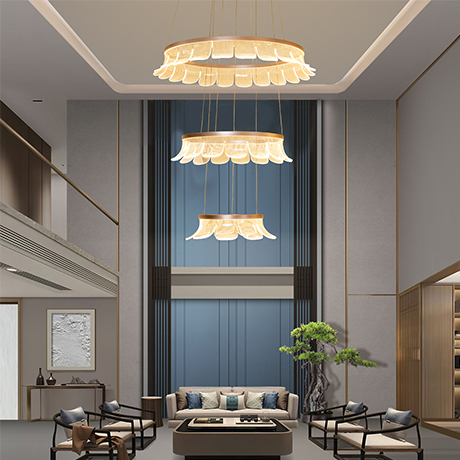
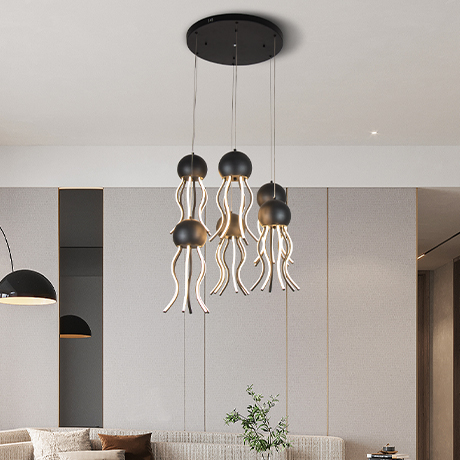
Modern: Sculptural arms, metallic finishes, artistic forms
Minimalist: Slim cylinders, thin rings, soft-white surfaces See Pendant Lights for Dining & Kitchen for installation guidance.
Ceiling Lights
Modern: Layered shapes, geometric structures
Minimalist: Flat panels, circular flush mounts
Table Lamps
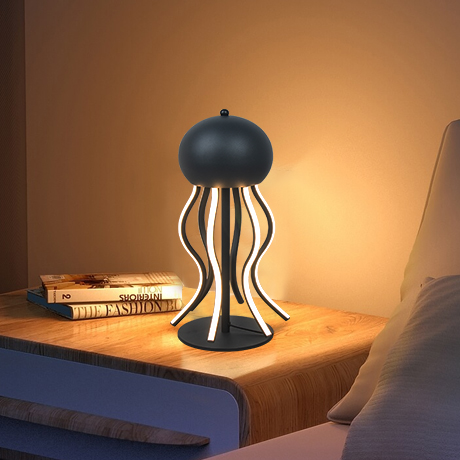
Modern: Bold silhouettes, marble or metal bases
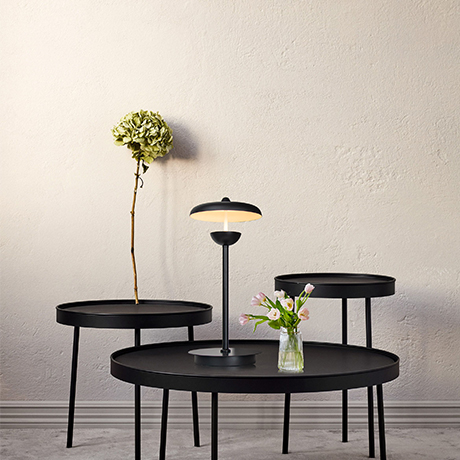
Minimalist: Simple rods, small shades, monochrome tones Explore Best Lighting for Bedrooms for styling examples.
Wall Lamps
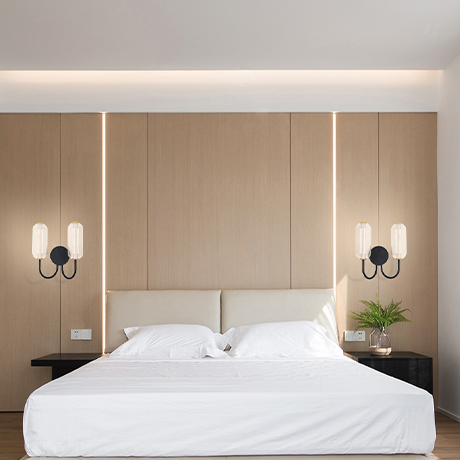
Modern: Decorative tubes, artistic shapes
Minimalist: Linear forms, soft-glow backlighting
Floor Lamps
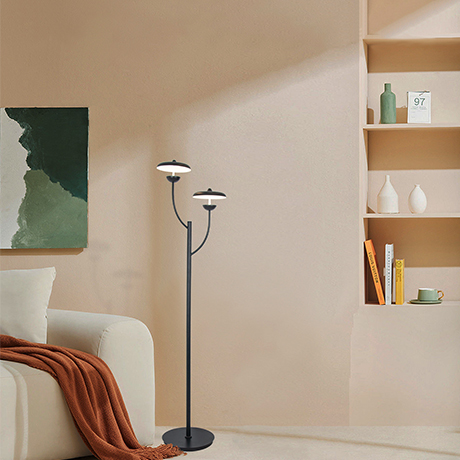
Modern: Arched arms, spotlight-style heads
Minimalist: Slim profiles, diffused lighting See Industrial Style Lighting Ideas for additional variations.
How to Decide Between Modern and Minimalist Lighting
Choosing between the two styles depends on your space, preferences, and daily habits.
Consider the Room’s Function Active spaces suit modern lighting; restful spaces benefit from minimalist lighting.
Match Your Furniture and Decor Bold décor aligns with modern fixtures; quiet, neutral décor supports minimalism.
Think About Maintenance Minimalist lights are easier to clean due to simpler forms.
Evaluate Room Size Small rooms feel more open with minimalist fixtures.
Plan for Longevity Modern trends evolve quickly; minimalist designs remain timeless. For long-term planning, see Buying Checklist Before You Order.
Layering Modern and Minimalist Lighting Together
You don’t need to stick to one style across your entire home. Many designs blend both approaches successfully.
Possible Combinations
Minimalist ceiling lights + modern table lamps
Modern pendants + minimalist wall lamps
Sculptural modern centerpiece + minimalist floor lamp
To master multi-layer lighting, explore Layering Lights for Balanced Design.
Common Mistakes to Avoid
Using too many styles within the same room
Choosing fixtures that clash with existing furniture
Ignoring color temperature requirements
Installing large modern pendants in low-ceiling rooms
Forgetting that lighting must support function
Modern and minimalist lighting deliver completely different visual and emotional experiences. Modern fixtures showcase expressive design, geometric shapes, and bold presence. Minimalist fixtures emphasize subtlety, harmony, and calmness. By understanding what sets them apart, you can confidently choose lighting that fits your lifestyle, complements your décor, and enhances every room in your home.
To explore more lighting concepts, read related guides such as Scandinavian and Natural Style Lighting, Layering Lights for Balanced Design, Color Temperature and Mood, and Pendant Lights for Dining & Kitchen. Together, these topics create a deeper understanding of lighting design and help you make smarter decisions for your home.
Related Products
Author introduction
Dear Customer: My name is Yana, Sales Director at Seable. With 8+ years of dedicated expertise in the decorative lighting industry, I bring the technical acumen and market insights to elevate your projects. Expert in pendant light system configuration, lighting design and ceiling light technology support. Feel free to contact me. I’m happy to provide you with the best service and products