A home office is more than a desk and a chair. It is where ideas form, deadlines are achieved, and your daily productivity is shaped. Many people invest in ergonomic furniture or powerful laptops, yet one factor quietly influences every working hour: lighting. Proper lighting does more than illuminate your space. It reduces eye strain, improves mood, enhances focus, and creates an environment where working for long periods feels natural instead of exhausting.
This guide explains how to build a well-lit home office using ceiling lights, table lamps, wall lamps, and task lighting. It also connects to related learning topics such as Color Temperature and Mood, Layering Lights for Balanced Design, and Best Lighting for Bedrooms, helping you create a complete knowledge foundation for SeableLight.com.
Lighting affects your physical comfort, energy levels, and ability to maintain concentration. A dim workspace forces your eyes to work harder, while an overly bright environment causes glare and discomfort. When the lighting is balanced correctly, your home office becomes a place where focus comes naturally.
For deeper insights into how light affects emotions, refer to Color Temperature and Mood.
A productive workspace rarely relies on one light source. Instead, it combines multiple lighting layers to create depth, balance, and flexibility for different tasks.
Ambient lighting brightens the entire room and acts as the foundation of your home office. Common sources include:
If you need help choosing between ceiling styles, explore Pendant Lights for Dining & Kitchen, as many concepts apply directly to workspaces.
Task lighting directly supports reading, typing, writing, and computer work. It is the most essential layer in any home office.
Best options include:
Task lighting reduces shadows on your keyboard or workspace. For more detail on combining task lights with ambient lighting, check Layering Lights for Balanced Design.
Accent lighting adds style, warmth, and personality. While not required for functionality, it dramatically improves comfort.
Popular choices:
For inspiration, explore Wall Lamps and Hallway Lighting.
Color temperature affects your mood, visual clarity, and energy level. Selecting the correct Kelvin range ensures your workspace feels productive rather than sleepy or harsh.


Neutral white strikes the perfect balance between clarity and comfort. For a complete Kelvin comparison, refer to Color Temperature and Mood.
Brightness is measured in lumens, and different zones require different output.
If your office uses dark paint or matte furniture, increase brightness slightly to avoid a dull atmosphere.
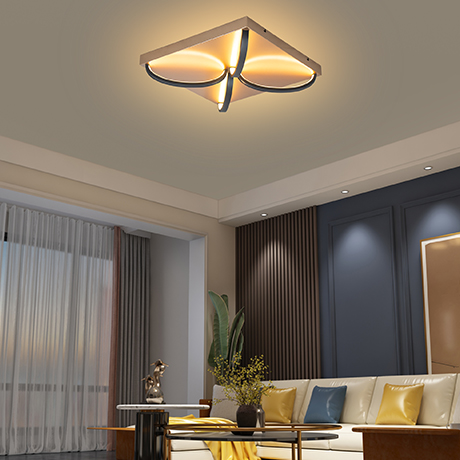
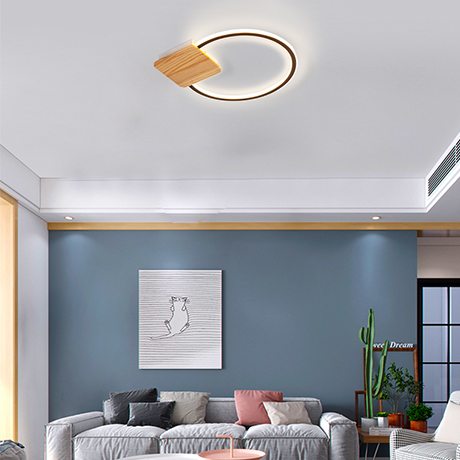
Your ceiling lights set the tone of the room. The best choice depends on your ceiling height, style preference, and desired brightness.
Perfect for compact or minimalist rooms.
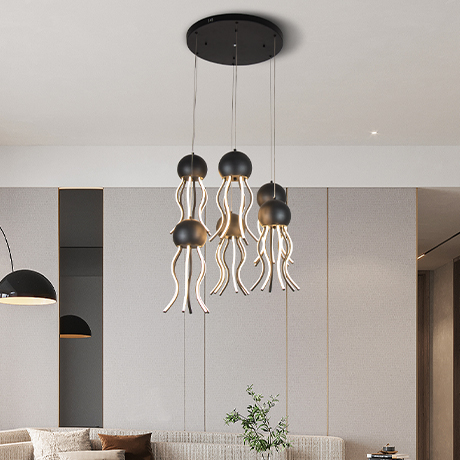
Adds decorative style while still spreading ample brightness.
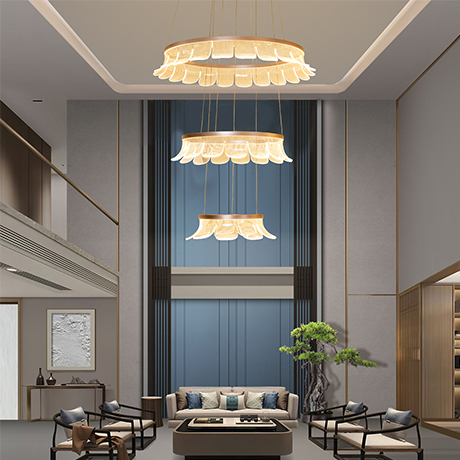
Ideal for higher ceilings or contemporary interior designs.
For styling ideas, explore Modern vs Minimalist Style Lighting and Scandinavian and Natural Style Lighting.
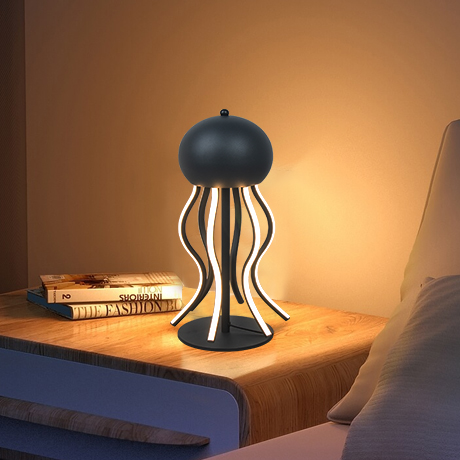
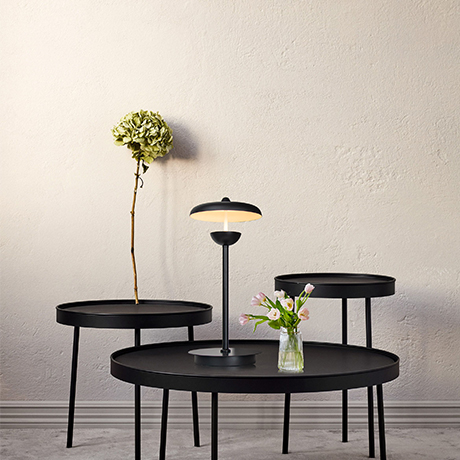
A high-quality table lamp provides focused illumination and ensures your workspace stays bright without causing glare.
For more lamp arrangement insights, review concepts in Best Lighting for Bedrooms.


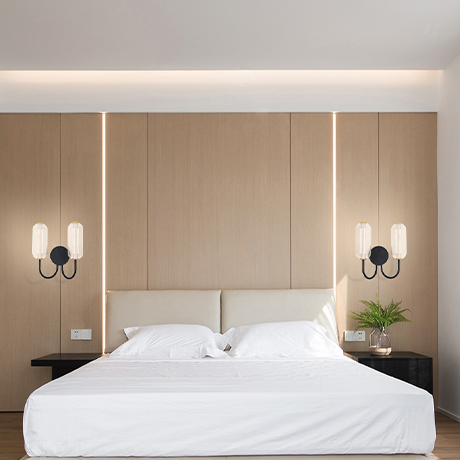
Wall lamps are especially useful when desk space is limited or when you want a softer, indirect lighting atmosphere for video calls.
Learn more through Wall Lamps and Hallway Lighting.
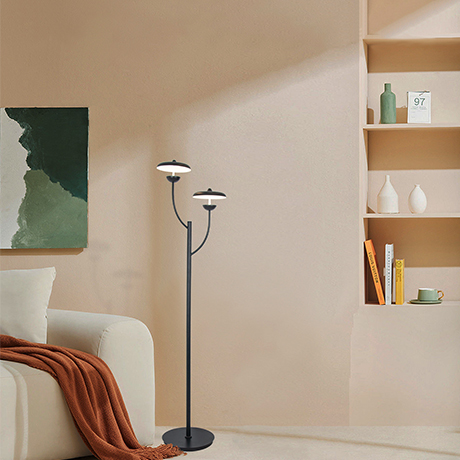
Floor lamps help illuminate reading corners or relaxation zones within larger home offices. They are useful when your workspace doubles as a study or lounge.
For style ideas, see Industrial Style Lighting Ideas and Luxury & Contemporary Glam Lighting.
To achieve balanced lighting throughout the day, combine:
This three-layer approach creates depth and flexibility. For room-by-room examples, check Layering Lights for Balanced Design.
Smart lighting systems make it easy to customize your workspace. They allow you to:
These tools work especially well with adjustable desk lamps and ceiling fixtures. Refer to Dimmers and Adjustable Lighting for more control options.
Before selecting fixtures for your home office, confirm:
For a full evaluation framework, see Buying Checklist Before You Order.
Good lighting transforms your home office, boosting productivity, comfort, and mood throughout your workday. By combining ambient, task, and accent lighting—while choosing the right brightness and color temperature—you can build a workspace that supports your goals effortlessly.
To continue expanding your lighting knowledge, explore related guides such as Layering Lights for Balanced Design, Color Temperature and Mood, and Modern vs Minimalist Style Lighting. Together, these topics create a complete understanding of how to design a functional, beautiful, and productive home office.

Dear Customer:
My name is Yana, Sales Director at Seable. With 8+ years of dedicated expertise in the decorative lighting industry, I bring the technical acumen and market insights to elevate your projects. Expert in pendant light system configuration, lighting design and ceiling light technology support. Feel free to contact me. I’m happy to provide you with the best service and products
Whatsapp: +86 13715603874 | Email: sale9@neworb.cn
The Ultimate Guide to Modern Interior Lighting for Homes
Complete Guide to Living Room Lighting: Styles, Layers, and Practical Tips
Best Lighting for Bedrooms: How to Create a Cozy, Functional, and Stylish Sleep Space
The Complete Guide to Dining Room and Kitchen Pendant Lighting
Kitchen Lighting Ideas: How to Design a Functional and Beautiful Kitchen
Wall Lamps and Hallway Lighting — A Complete Style & Buying Guide
Optimizing Lighting for Home Office — A Practical Guide for Productivity