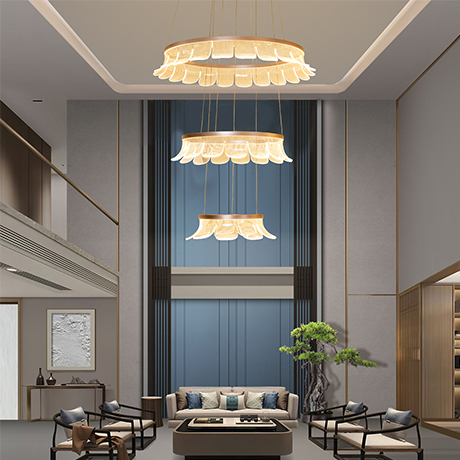
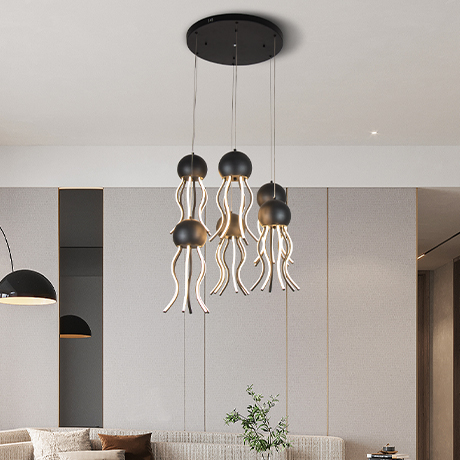
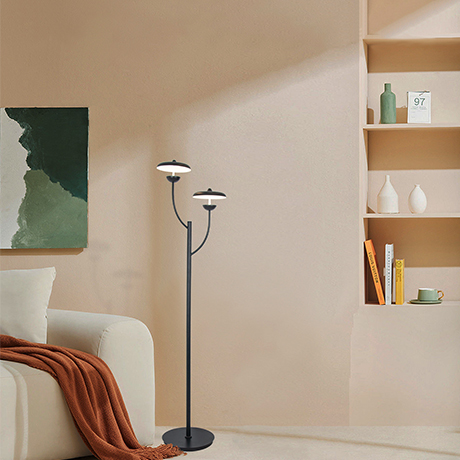
Hallways shape how people experience your home the moment they walk inside. Although these areas are usually small and often ignored during design planning, they play an essential role in creating flow, comfort, and atmosphere. With the right lighting, a narrow or dim corridor can instantly feel welcoming, spacious, and visually interesting. Because wall lamps combine beauty, practicality, and space efficiency, they remain the most reliable choice for hallways of any style.
This guide explains how to choose wall lamps for your hallway, how to optimize brightness and placement, and how to match lighting styles with your interior design theme. In addition, you’ll find helpful internal links to related resources such as Modern vs Minimalist Style Lighting, Color Temperature and Mood, and How to Choose Light Size & Scale, enabling you to build a complete understanding of home lighting.
Wall lamps offer several advantages that distinguish them from ceiling fixtures, floor lamps, or pendants. They illuminate the space while staying out of the way, making them especially suitable for tight corridors and transitional areas.
Space Efficiency
Wall fixtures stay close to the surface, ensuring the hallway remains unobstructed and easy to navigate. This is especially important for narrow corridors or stairways.
Balanced Ambient Lighting
Unlike ceiling lights that sometimes cast uneven shadows, wall lamps distribute light across the vertical plane. As a result, the hallway feels more open and visually consistent.
Decorative Impact
A beautiful wall lamp doubles as a decorative feature. It adds shape, color, texture, and subtle artistic presence to an otherwise overlooked area.
Safety Enhancement
Soft, warm lighting supports safe nighttime movement between bedrooms, bathrooms, and the entryway. Moreover, evenly spaced fixtures reduce dark spots where accidents may happen.
If you want to compare how wall lamps stack against ceiling or pendant solutions, consider exploring Best Lighting for Bedrooms and Pendant Lights for Dining & Kitchen for more room-specific recommendations.
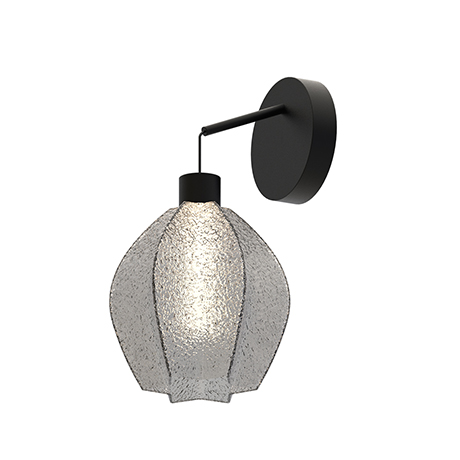
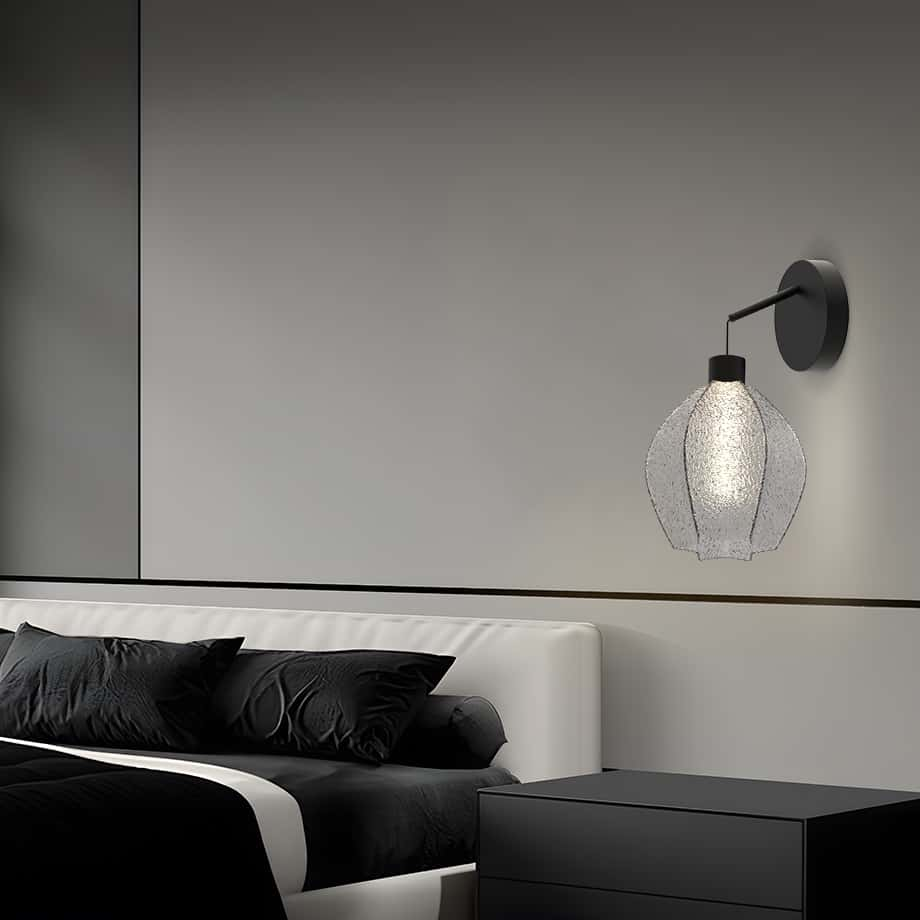
The type of lamp you choose dramatically influences the mood of your hallway. Some fixtures create height and drama, while others bring warmth and comfort.
These lamps cast beams both upward and downward, producing a sculptural lighting effect. The vertical glow adds height to the hallway and works exceptionally well in modern homes or minimalist interiors.
Best for:
For broader design comparisons, read Modern vs Minimalist Style Lighting.
Sconces are timeless, versatile fixtures available in endless shapes and materials. They often feature a shade, decorative arm, or soft diffuser. Because of their warm and intimate glow, they enhance transitional hallways or classic interiors.
Suitable for:
Linear lamps provide smooth, uniform illumination without harsh shadows. Their slim profiles and minimalist forms suit contemporary interiors that prefer simplicity.
Ideal for:
If your hallway displays artwork, framed photographs, or decorative elements, picture lights help showcase these elements effectively. They highlight your personal style and add depth to the hallway.
Motion-activated or dusk-to-dawn models increase convenience and energy savings. They are especially beneficial for families or multi-floor households.
For additional ideas on functional lighting, explore Optimizing Lighting for Home Office.
Proper brightness ensures comfort and safety. Since hallways are transitional spaces, the goal is to create a gentle, welcoming effect without producing glare.
Too little brightness makes the hallway feel cramped. However, excessive intensity creates glare and discomfort. A balanced output is best.
For deeper insight into lighting temperatures, read Color Temperature and Mood.
Even the most elegant fixture can feel out of place when installed incorrectly. Height and spacing determine both aesthetics and comfort.
Install wall lamps at 66–72 inches (167–183 cm) above the floor. This keeps the fixture within natural eye level and reduces glare.
For guidance on sizing, refer to How to Choose Light Size & Scale.
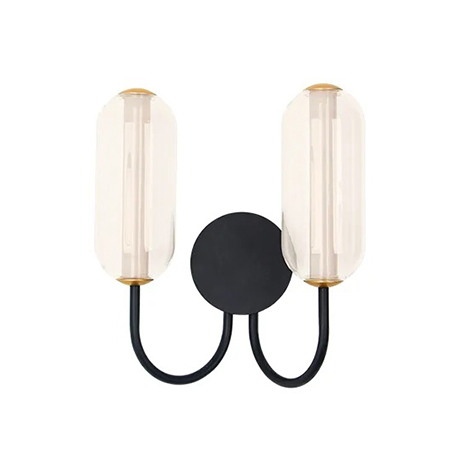
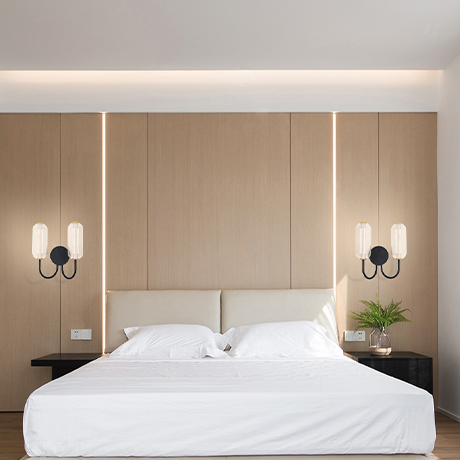
To create a cohesive look throughout your home, select fixtures that complement your interior design style.
Modern spaces pair well with fixtures featuring clean edges, geometric shapes, up-and-down lighting, or matte metal finishes.
Soft diffusers, wooden accents, and organic silhouettes fit perfectly with Scandinavian design, which emphasizes warmth and simplicity. For a complete overview, read Scandinavian and Natural Style Lighting.
Matte black metal, caged bulbs, and raw textures highlight industrial aesthetics. You may want to explore Industrial Style Lighting Ideas for more inspiration.
Glass, brass, crystal details, and soft-glow shades create a refined, upscale feel. If this style appeals to you, check Luxury & Contemporary Glam Lighting.
Although hallways are compact, layered lighting prevents them from feeling flat or monotonous.
Wall lamps offer the main ambient glow.
Flush-mount ceiling lights or recessed downlights add brightness when needed.
Picture lights or LED wall strips highlight artwork or architectural details.
To understand layering in other rooms, read Layering Lights for Balanced Design.
Overly Bright Fixtures
Harsh lighting makes the hallway feel sterile or uncomfortable.
Incorrect Height
Lights installed too high or too low cause unpleasant glare.
Mismatched Color Temperature
Mixing warm and cool tones disrupts visual harmony.
Using Only One Fixture
Long corridors need multiple lights to maintain flow and visibility.
Since hallways experience frequent traffic, select durable materials that are easy to maintain.
Best options include:
For a broader materials overview, explore Materials & Build Quality Explained.
Each lighting type has strengths, though wall lamps remain the most adaptable.
| Lighting Type | Pros | Cons |
|---|---|---|
| Wall Lamps | Elegant, space-efficient, decorative | Require proper wall height |
| Ceiling Lights | Bright and practical | Can create shadows |
| Floor Lamps | Stylish for large halls | Take up floor space |
| Pendant Lights | Strong design presence | Unsafe in low ceilings |
To compare more lighting options, read Complete Guide to Living Room Lighting and Pendant Lights for Dining & Kitchen.
Smart controls allow you to fine-tune illumination based on the time of day or desired atmosphere. Dimmers reduce brightness for evenings, while sensor fixtures improve safety near stairs or bedrooms.
For advanced lighting ideas, explore Dimmers and Adjustable Lighting.
Before you purchase your hallway wall lamps, confirm the following:
For a more comprehensive shopping guide, read Buying Checklist Before You Order.
Hallways deserve thoughtful lighting just as much as any other room. With well-chosen wall lamps, you can transform these transitional spaces into warm, stylish, and functional pathways. By selecting the right style, brightness level, and placement, your hallway becomes safer and more visually engaging. To continue exploring lighting design, read related guides such as Modern vs Minimalist Style Lighting, Scandinavian and Natural Style Lighting, and How to Choose Light Size & Scale. Together, these resources help you make confident and beautiful lighting decisions for every corner of your home.

Dear Customer:
My name is Yana, Sales Director at Seable. With 8+ years of dedicated expertise in the decorative lighting industry, I bring the technical acumen and market insights to elevate your projects. Expert in pendant light system configuration, lighting design and ceiling light technology support. Feel free to contact me. I’m happy to provide you with the best service and products
Whatsapp: +86 13715603874 | Email: sale9@neworb.cn
The Ultimate Guide to Modern Interior Lighting for Homes
Complete Guide to Living Room Lighting: Styles, Layers, and Practical Tips
Best Lighting for Bedrooms: How to Create a Cozy, Functional, and Stylish Sleep Space
The Complete Guide to Dining Room and Kitchen Pendant Lighting
Kitchen Lighting Ideas: How to Design a Functional and Beautiful Kitchen
Wall Lamps and Hallway Lighting — A Complete Style & Buying Guide